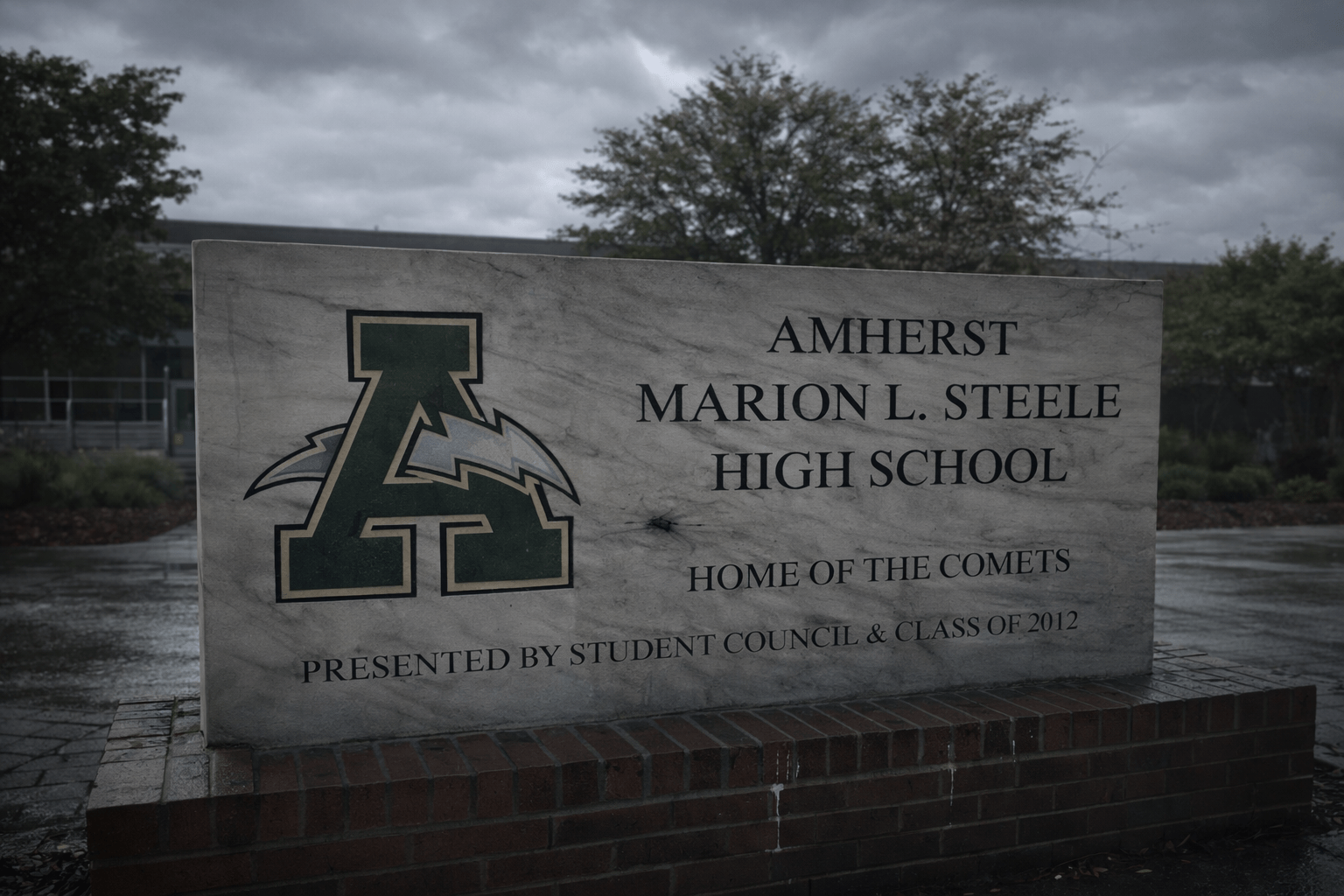
Amherst Schools officials say the district is facing continued financial pressure even after making millions in cuts, and are now asking voters to approve a new income tax to stabilize operations.
The district will place a 0.75% earned income tax, known as Issue 1, on the May ballot. If approved, the tax is expected to generate about $5 million per year to support day-to-day expenses, including staff salaries.
The request comes after voters rejected a larger 1.5% income tax levy in November, with approximately 62.4% voting against it.
Following that decision, the Amherst Board of Education approved a series of reductions totaling about $3.6 million as part of a broader plan to cut roughly $13.2 million over three years. The district’s budget is projected to be around $42 million for the upcoming school year.
As part of those reductions, the district eliminated 48 positions, including teachers, a counselor, a social worker, bus drivers, custodial staff, and other support roles. Officials said voluntary departures, such as retirements, reduced the number of layoffs to 19 employees.
In addition to staffing cuts, the district has eliminated high school busing, cut its French program and junior high home economics, and reduced spending on textbooks, curriculum, software, professional development, and supplies.
School officials say those changes will have a noticeable impact on students, including larger class sizes, fewer course offerings, and reduced access to programs and services.
Even if voters approve Issue 1, district leaders say the previously announced cuts will remain in place, with the additional revenue intended to maintain current operations rather than restore eliminated positions or programs.
If the measure fails, officials say additional reductions will likely be required.
The district also points to declining revenue as part of the challenge. Amherst Schools is receiving more than $600,000 less in state funding this fiscal year. Additionally, changes to the homestead exemption approved by Lorain County commissioners are expected to reduce local property tax revenue by about $840,000.
District officials say those losses offset recent increases from rising property values, leaving overall funding largely unchanged.
Amherst Schools has not received new operating revenue from a local tax increase since 2012.
Because Issue 1 is an earned income tax, it would apply only to wages and salaries. It would not apply to Social Security, retirement income, child support, workers’ compensation, or investment income.
If approved, a resident earning $50,000 annually would pay about $375 per year.
District officials say the outcome of the May vote will determine whether the current level of cuts is maintained or expanded further.